Burstwick Primary
Main Street, Burstwick, Kingston Upon Hull,
East Yorkshire. HU12 9EA
To find out where we are visit view
a map on our Contact Us page.
Child Protection and Safeguarding Information for Visitors
Safeguarding – Child Protection and Safeguarding Information for Visitors
Child Protection and Safeguarding Guide for Visitors
We are committed to protecting our pupils from harm and safeguarding their welfare both in and out of school. To ensure this, we ask that all staff, volunteers and visitors
share this commitment too.
This handout contains information about our expectations while you are visiting us. If you have questions about these arrangements, please speak to any of the named contacts included on the reverse side of this leaflet.
Please be advised that this handout covers topics that may be sensitive in nature.
Visitor procedures:
All visitors, including trainee teachers, volunteers, parents, and those on work experience, must:
- Report to the school office on arrival.
- Provide their details, including their name, the purpose of the visit, the name of the pupil the visit affects and/or the name of the staff member who arranged the visit.
- Provide identification if visiting in a professional capacity.
- Sign in and out using InVentry.
- Display the ID badge provided at all times whilst on the school premises.
- Return the ID badge to the school office before departure.
E-safety:
Mobile Phones: To protect our children we respectfully ask that you do not have your phone out or use it during your time in the school building. If this is an issue, please contact a member of staff on arrival.
Photographs/videos: Under no circumstances should you take photographs or videos of our children whilst at our school.
Types of harm:
The following is a list of possible forms of harm that pupils can face:
Physical abuse – a pupil suffers physical harm or injury, e.g. bruises and cuts.
Emotional abuse – a pupil receives emotional maltreatment which causes adverse effects on their development, e.g. being told they are worthless.
Sexual abuse – a pupil is forced or enticed into taking part in sexual activities, whether or not they are aware of what is happening. Indicators may include the use of sexual language or not wishing to be alone with someone in particular.
Neglect – a pupil’s basic physical and/or psychological needs are consistently not met, resulting in serious impairment of their health or development, e.g. by providing inadequate amounts of food. A child may appear tired or malnourished.
Child sexual exploitation (CSE) and child criminal exploitation (CCE) – a child is subject to a form of abuse where an individual or group takes advantage of, or manipulates, a child into sexual or criminal activity, in exchange for something the victim wants or needs. An indicator may be that the child has unexplained new items or presents.
Child-on-child abuse – this abuse can involve physical abuse, CSE, CCE, serious youth violence, and harmful sexual behaviour between pupils.
Prevent:
Reporting concerns:
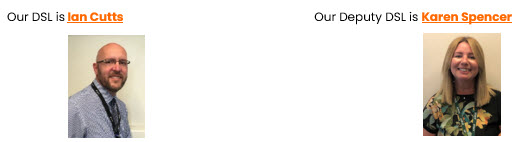
You must inform the school’s designated safeguarding lead (DSL) if you are worried about:
- Something a pupil says.
- Marks or bruising on a pupil.
- A pupil’s behaviour, or changes to their behaviour.
If a pupil discloses that they are being harmed you must:
- React calmly.
- Listen carefully.
- Not promise confidentiality; explain that you may need to tell somebody if the pupil’s safety is at risk.
- Not question the pupil further – this should be done by somebody who is trained to investigate.
- Reassure the pupil that they have done the right thing.
- Take a record of what the pupil has said, including the date, time and how and when the information was received. This information must be passed to the DSL immediately.
Should you have concerns about the conduct of a member of staff following an observation or disclosure, you must immediately inform the Headteacher/DSL or, in their absence or if the concern regards them, the Deputy DSL.
Concerns regarding the Headteacher should be shared with the Chair of Governors via the admin office.
Fire:
In the event of a fire alarm please use the nearest fire exit and make yourself known to a Fire Safety Marshall. Please make yourself aware of the nearest fire exit to where you are based.
Keeping yourself safe:
Whilst on site, you must always remain professional, especially if you are a volunteer, trainee or on work experience. Please be aware that you may be escorted or supervised throughout your visit.
Always be aware of how you speak to a pupil – they may interpret jokes or compliments differently. Avoid physical contact and do not make inappropriate comments.
You should avoid being alone with a pupil; however, if your duties require you to be alone with a pupil, always ensure that a desk is between you, the door is open, or you can be seen so that you are visible to others.
If a pupil touches or speaks to you inappropriately, you must tell their Class Teacher or the Headteacher and ensure you record the date and time of the incident.
Where a pupil has told you that they are being harmed, you must not question the pupil and must report the incident to the DSL immediately. Only trained investigators should question a pupil who has said they are being harmed.
You must never share contact details with a pupil or arrange to meet them outside of school hours.
Pupils should not be contacted through social media and you should not discuss the school, its teachers or its pupils across such platforms.
Sample School Life Gallery


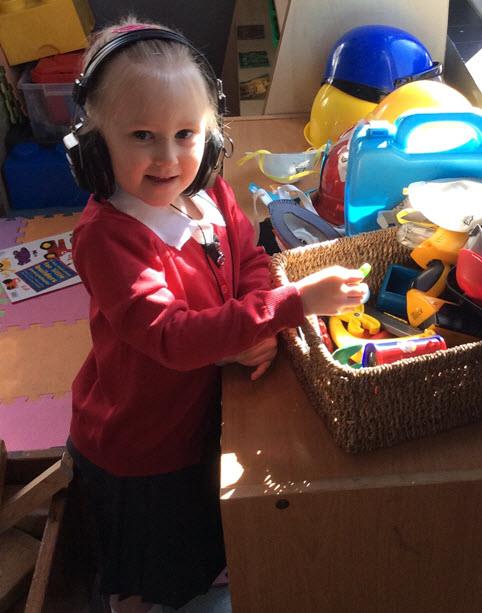


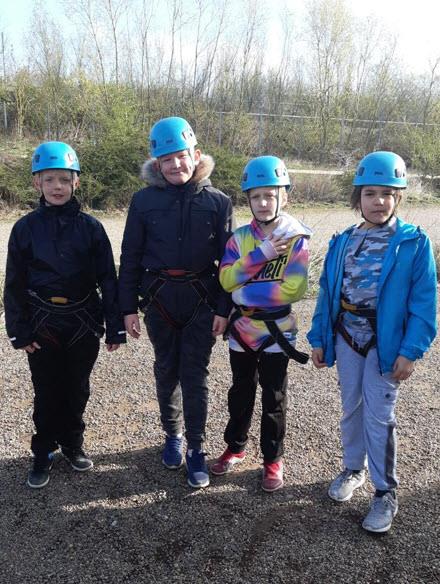


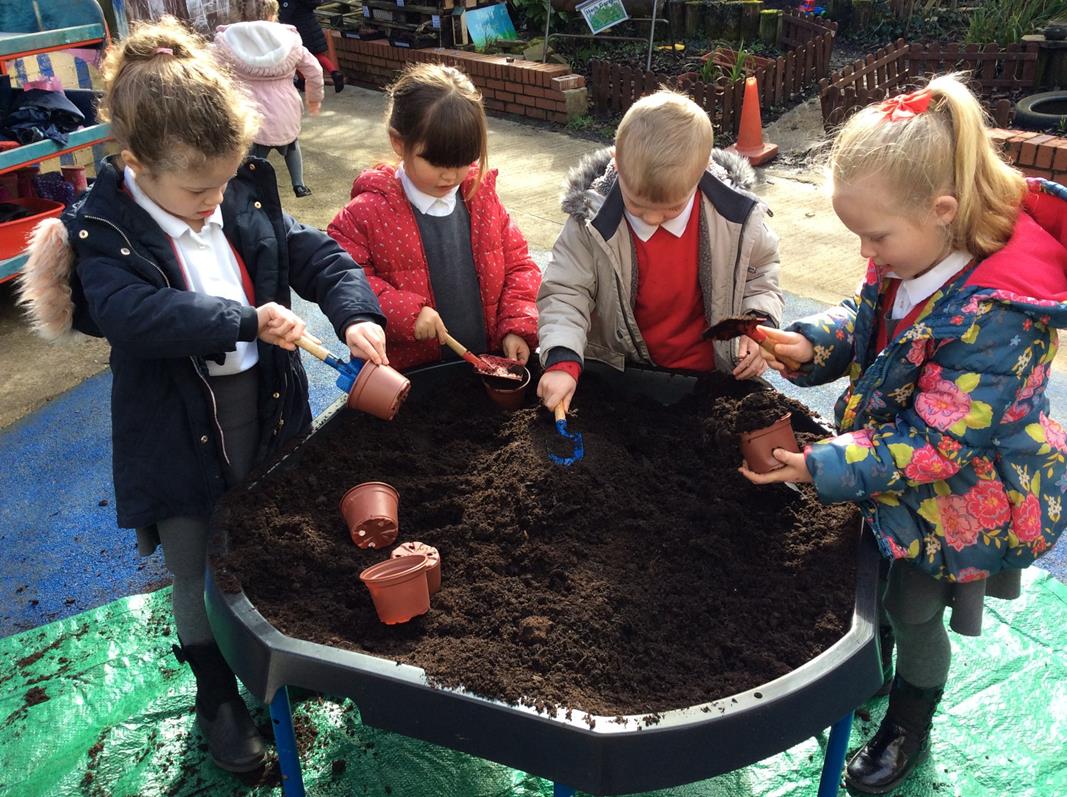

A wonderful environment in which to learn, play and grow.