
Child Welfare
Local Offer
There’s lots of support available to children with disabilities and special educational needs, and their families. You’ll find information about that Local Offer of support here. Whether it relates to education, health, social care or parental support, and regardless of who’s providing it, we’ll aim to point you in the right direction.

Safeguarding
Visit the web including the government’s safeguarding website to get an overview of safeguarding in education.
Safeguarding – Wellbeing
At Burstwick Community Primary School we recognise the value of supporting pupils with their social, emotional and mental health. We place nurture principles at the heart of this.
Every member of staff is ready to provide emotional support and a listening ear to our pupils.
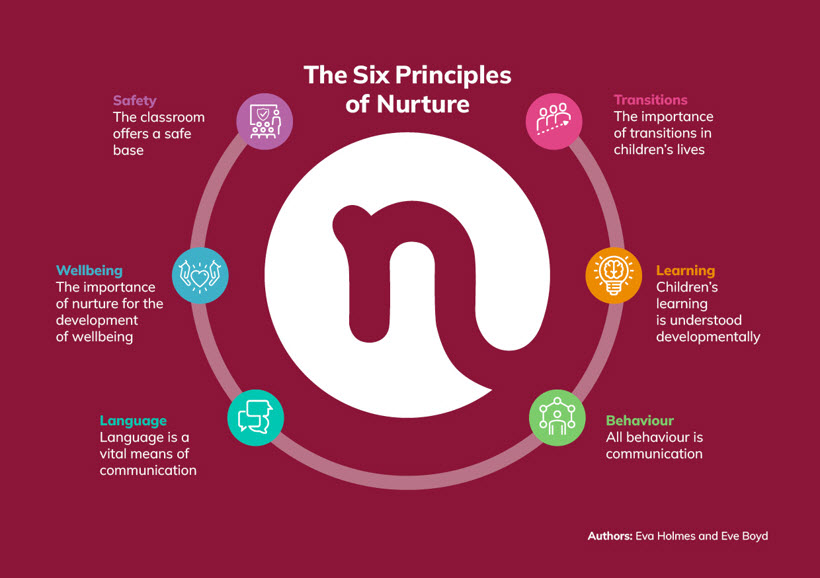
Our aim is to help develop the protective factors which build resilience to mental health problems and to be a school where:
- All children are valued.
- Children have a sense of belonging and feel safe.
- Children feel able to talk openly with trusted adults about their problems without feeling any stigma.
- Positive mental health is promoted and valued.
- Bullying is not tolerated.
Each classroom has a calming space available for pupils. These spaces, and the resources in them, support pupils in regulating their emotions more easily.
Our Sunshine Room is a quiet, safe space pupil can use when working with our Emotional Literacy Support Assistant (ELSA). It also offers a space for external agencies to support identified children if needed.
Meet our Wellbeing Team

Our Wellbeing Team, meet termly to plan and evaluate provision for our pupils and their families. This approach puts wellbeing at the centre of our school ethos.
Emotional Literacy Support
The ELSA (Emotional Literacy Support Assistant) intervention was originally developed within Southampton, then Hampshire, by Sheila Burton, Educational Psychologist. It was designed to build the capacity of schools to support the emotional needs of their pupils from within their own resources. This is achieved by training teaching assistants to develop and deliver individualised support programmes to meet the emotional needs of children and teenagers in their care. It recognises that children learn better and are happier in school if their emotional needs are also addressed.
ELSA is an initiative developed and supported by educational psychologists, who apply their professional knowledge of children’s social and emotional development to areas of need experienced by pupils. They provide on-going professional supervision to help maintain high quality in the work undertaken by ELSAs, thereby helping to ensure safe practice for ELSAs and pupils alike. ELSA sessions are time limited and work to support a child with a specific aspect of their wellbeing.
ANYONE can be referred for ELSA support, please contact your child’s class teacher if you feel your child would benefit from this support.
Our current ELSA is Mrs Carrick
Mental Health Response Service – Hull and East Riding
Tel: 01482 301701
Individuals in crisis can access their services 24/7 through the Rapid Response Service on 01482 301701.
To support young people, call CAMHS (Child & Adult Mental Health Services) crisis team 01482 335600.
Safeguarding – Safeguarding Children Team
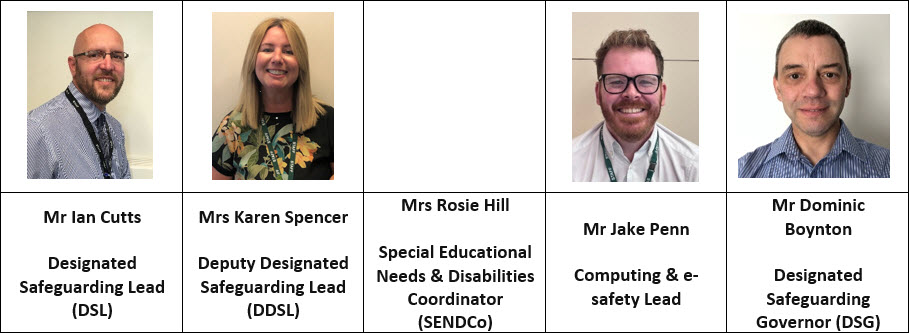
Meet our Safeguarding Team
Rationale
At Burstwick Community Primary School, safeguarding is our top priority. We are committed to providing a safe, supportive, and caring environment where all children feel valued and protected. Safeguarding is everyone’s responsibility, and we work together to ensure that every child is safe from harm, both in school and at home.
We believe that children learn best when they feel safe, happy, and secure. Our safeguarding procedures help us to identify concerns early, take appropriate action, and support children and families when needed. Through a strong safeguarding culture, we aim to help every child thrive, achieve their best, and grow into confident, resilient individuals.
Culture of Safeguarding at Burstwick Community Primary School
At Burstwick Community Primary School, we promote a culture of safeguarding which means that keeping children safe is at the heart of everything we do in school. We ensure a shared attitude and commitment among all staff, governors, and volunteers to always act in the best interests of children.
We ensure that:
- Everyone knows their role in keeping children safe.
- Children feel confident to speak up if they are worried.
- Concerns are taken seriously and acted on quickly.
- Safeguarding is part of everyday conversations and decisions.
- Policies, training, and actions are consistently focused on protection and well-being
By building this culture, we make sure that safeguarding is not just a checklist — it’s something we live and breathe every day!
Parent Partnership
We want to work in partnership with you, and discuss with you, any concerns we may have or that you may have.
It is a priority to inform and involve you at every stage in your child’s time at the school.
Since the first priority is your child’s welfare, there may be rare occasions when our concern about your child means that we have to consult other agencies even before we contact you.
The East Riding Safeguarding Children Partnership (ERSCP) has laid down the procedures we follow, and the school has adopted a Strategic Safeguarding & Child Protection Policy in line with this for the safety of all.
If you want to know more about our procedures or the policy, please speak to the Headteacher, your child’s Class Teacher or Dominic Boynton, who is the Governor with responsibility for Safeguarding & Child Protection.
For attendance queries please contact either Mrs Spencer or Mrs Winn in the first instance in the school office.
Keeping Children Safe in Education – Statutory Guidance
Below are a number of contact details and links for your information:
Safeguarding and Partnership Hub
During office hours (Monday to Thursday 9am-5pm, Friday 9am-4.30pm), you can contact the Safeguarding and Partnership Hub on:
- Telephone: 01482 395500
- safeguardingchildrenshub@eastriding.gov.uk cot Horizon after school hours please contact either:Care out of hours, please contact the emergency duty team:
- Telephone: 01482 393939
- duty.team@eastriding.gcsx.gov.uk
- Secure email:socialcare@eastriding.gcsx.gov.uk
Family Information Services Hub (FISH)
Free, impartial service for children, young people, parents/carers & the people who support them.
National Contact Information
- Anti-bullying UK
- Barnado’s
- CEOP – Child Exploitation and Online Protection
- Child Accident Prevention trust
- Childline
- Domestic Violence Services
- Gingerbread
- Karma Nirvana
- National centre for Eating Disorders
- NSPCC
- Private Fostering
- Samaritans
- Stonewall – Acceptance without exception
- Talk to Frank
- Women’s Aid
- Young Minds
Safeguarding – Operation Encompass
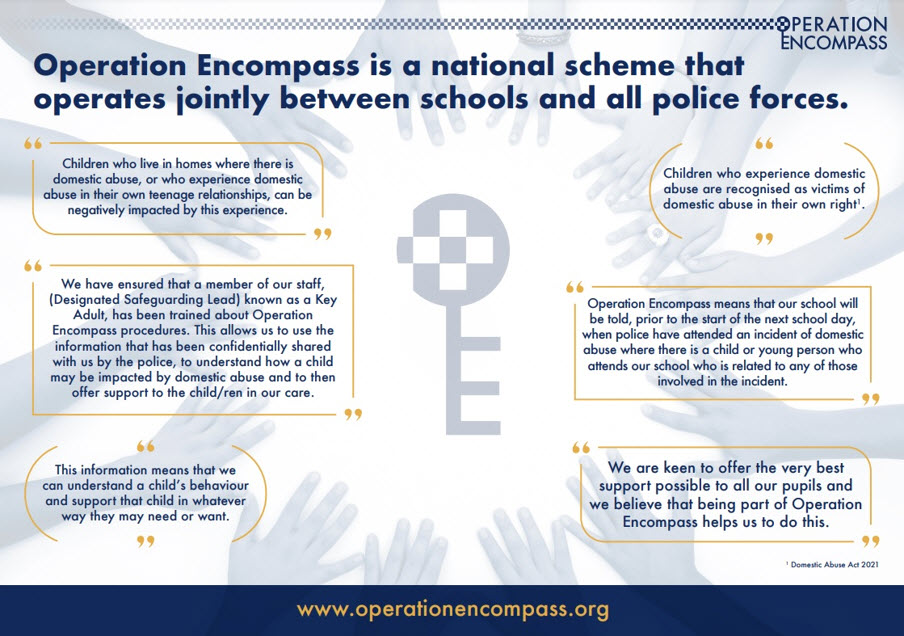
Burstwick Community Primary School is part of a project run by Humberside Police called Operation Encompass.
The project aims to support children who are affected by Domestic Abuse.
As a result, following any domestic abuse incident specialist police officers will make contact with the school and communicate relevant and necessary information to nominated and trained school staff. This will ensure that the school is made aware before the start of the next school day and can subsequently provide support in a way that means the child feels safe.
Click here to navigate to the Operation Encompass Website
Safeguarding – Online Safety
As part of our Safeguarding Team, we have a relentless focus on online safety. This is a standard agenda item.
We have extensive security measures in place in school, which are monitored both internally and externally, to help safeguard pupils from potential dangers or unsuitable material.
Any e-Safety incidents are recorded and managed. E-Safety is taught to all pupils explaining and demonstrating how to stay safe and behave appropriately online.
We can only be successful in keeping children safe online if we work with parents to ensure the e-Safety message is consistent. It is important that parents speak to their children about how they can keep safe and behave appropriately online.
The school’s Computing and e-safety leader takes responsibility for overseeing e-safety issues in school. Annually, during Safer Internet Week, Burstwick Community Primary School will ensure clear lessons are delivered around identified topics for all ages on ‘Making yourself safe online’.
Sites are also available below for all families to access.
It’s essential to be realistic – banning the internet or technology will not work and it often makes a child less likely to report a problem. Education around safe use is essential.
Useful links:
CEOP (The Child Exploitation and Online Protection Centre)
CEOP helps keep children and young people safe from sexual abuse and grooming online. We help thousands of children and young people every year, as well as their parents and carers who have been in a similar situation to you.
CEOP takes all reports seriously and children of all ages can report through the Click CEOP button.
CEOP are unable to respond to reports about bullying, fake accounts or account hacking.
Talking tips, how to start a conversation with your child
Protecting children against radicalisation –
Internet Matters is a new online portal designed for parents to access simple, easy and practical advice about online safety for their children, right through from pre-school to teens. It provides tips on protecting children from online grooming, cyberbullying, privacy and identity theft and inappropriate content. Internet Matters is a not-for profit organisation set up by BT, Sky, TalkTalk and Virgin Media.
ParentINFO is a collaboration between ParentZone and CEOP. There are useful guides and articles on helping your child stay safe online.
Safeguarding – Child Protection and Safeguarding Information for Visitors
Child Protection and Safeguarding Guide for Visitors
We are committed to protecting our pupils from harm and safeguarding their welfare both in and out of school. To ensure this, we ask that all staff, volunteers and visitors
share this commitment too.
This handout contains information about our expectations while you are visiting us. If you have questions about these arrangements, please speak to any of the named contacts included on the reverse side of this leaflet.
Please be advised that this handout covers topics that may be sensitive in nature.
Visitor procedures:
All visitors, including trainee teachers, volunteers, parents, and those on work experience, must:
- Report to the school office on arrival.
- Provide their details, including their name, the purpose of the visit, the name of the pupil the visit affects and/or the name of the staff member who arranged the visit.
- Provide identification if visiting in a professional capacity.
- Sign in and out using InVentry.
- Display the ID badge provided at all times whilst on the school premises.
- Return the ID badge to the school office before departure.
E-safety:
Mobile Phones: To protect our children we respectfully ask that you do not have your phone out or use it during your time in the school building. If this is an issue, please contact a member of staff on arrival.
Photographs/videos: Under no circumstances should you take photographs or videos of our children whilst at our school.
Types of harm:
The following is a list of possible forms of harm that pupils can face:
Physical abuse – a pupil suffers physical harm or injury, e.g. bruises and cuts.
Emotional abuse – a pupil receives emotional maltreatment which causes adverse effects on their development, e.g. being told they are worthless.
Sexual abuse – a pupil is forced or enticed into taking part in sexual activities, whether or not they are aware of what is happening. Indicators may include the use of sexual language or not wishing to be alone with someone in particular.
Neglect – a pupil’s basic physical and/or psychological needs are consistently not met, resulting in serious impairment of their health or development, e.g. by providing inadequate amounts of food. A child may appear tired or malnourished.
Child sexual exploitation (CSE) and child criminal exploitation (CCE) – a child is subject to a form of abuse where an individual or group takes advantage of, or manipulates, a child into sexual or criminal activity, in exchange for something the victim wants or needs. An indicator may be that the child has unexplained new items or presents.
Child-on-child abuse – this abuse can involve physical abuse, CSE, CCE, serious youth violence, and harmful sexual behaviour between pupils.
Prevent:
Reporting concerns:
You must inform the school’s designated safeguarding lead (DSL) if you are worried about:
- Something a pupil says.
- Marks or bruising on a pupil.
- A pupil’s behaviour, or changes to their behaviour.
If a pupil discloses that they are being harmed you must:
- React calmly.
- Listen carefully.
- Not promise confidentiality; explain that you may need to tell somebody if the pupil’s safety is at risk.
- Not question the pupil further – this should be done by somebody who is trained to investigate.
- Reassure the pupil that they have done the right thing.
- Take a record of what the pupil has said, including the date, time and how and when the information was received. This information must be passed to the DSL immediately.
Should you have concerns about the conduct of a member of staff following an observation or disclosure, you must immediately inform the Headteacher/DSL or, in their absence or if the concern regards them, the Deputy DSL.
Concerns regarding the Headteacher should be shared with the Chair of Governors via the admin office.
Fire:
In the event of a fire alarm please use the nearest fire exit and make yourself known to a Fire Safety Marshall. Please make yourself aware of the nearest fire exit to where you are based.
Keeping yourself safe:
Whilst on site, you must always remain professional, especially if you are a volunteer, trainee or on work experience. Please be aware that you may be escorted or supervised throughout your visit.
Always be aware of how you speak to a pupil – they may interpret jokes or compliments differently. Avoid physical contact and do not make inappropriate comments.
You should avoid being alone with a pupil; however, if your duties require you to be alone with a pupil, always ensure that a desk is between you, the door is open, or you can be seen so that you are visible to others.
If a pupil touches or speaks to you inappropriately, you must tell their Class Teacher or the Headteacher and ensure you record the date and time of the incident.
Where a pupil has told you that they are being harmed, you must not question the pupil and must report the incident to the DSL immediately. Only trained investigators should question a pupil who has said they are being harmed.
You must never share contact details with a pupil or arrange to meet them outside of school hours.
Pupils should not be contacted through social media and you should not discuss the school, its teachers or its pupils across such platforms.
Think U Know R&J

Think U Know
Click on the image link below to visit the website.

ERSCB
Click on the link below to visit the ERSCB website.
Safeguarding Links
BCPS SEND Information Report 2025-2026
Safeguarding Staff – photo info for parents and visitors
Click on the image below to view the government’s safeguarding website page.
The image link above will open up in a new popup window or browser tab.
SEN Offer Report
View our school’s safeguarding documentation along with our SEN report.
SEND Local Offer Information Report
The local offer information report provides information for children and young people with Special Educational Needs (SEND) and their parents or carers in a single place.
Download the document below
BCPS SEND Information Report 2025-2026
Burstwick School Equality Policy 2025-2028
What is a local offer?
The local offer provides information on what services children, young people and their families can expect from a range of local agencies, including education, health and social care. Knowing what is out there gives you more choice and therefore more control over what support is right for your child.
The Local Offer and SEN Information Report provides information on a number of things, including:
* special educational provision;
* health provision;
* social care provision;
* other educational provision;
East Riding Local Offer Website
www.eastridinglocaloffer.org.uk
Follow this link to the East Riding’s Local Offer where information can be obtained on:
* training provision;
* travel arrangements for children and young people to schools, colleges and early years education;
* preparing for adulthood, including housing, employment and leisure opportunities.
Our SEND Local Offer Information
Address Information
Contact us using the information below either by post, phone or by email, whichever you find more convenient.
Contact Us Using the Following Details
Burstwick Community Primary School
Main Street,
Burstwick,
Kingston Upon Hull,
East Yorkshire.
HU12 9EA
School Office number: 01964 623411
Email: burstwickcommunity.primary@eastriding.gov.uk
Admin Contact Name: Mrs. K. Spencer
Find Us on a Map
Click on the Google Maps logo below to view our location.

Contact Us
Use the form below to tell us what you like about our website and what else you would like to see.
Website Message
Hi everyone. We hope that you all have a fantastic time looking through this website and that it more than serves your needs in answering questions about our school and its facilities. If you want to send us some feedback why not use the online form above? It would be great to hear from you. There will be lots more materials added here over time so please come back regularly to see what's new or, even better, follow us on social media. That way you won't miss a thing. Enjoy. 🙂
High Contrast Menu